Early Life and Education
Dominic Elwes lived a vivid life that fused pedigree, scandal, and artistic appetite. Born Bede Evelyn Dominick Elwes on 24 August 1931, he entered Billing Hall in Northamptonshire. His father was Simon Elwes, and his mother was Hon. Gloria Rodd. His household belonged to an exacting milieu. Refinement was expected, not requested. Such a climate often produces either caution or defiance. Elwes seemed to inherit both. He later studied at Ladycross School, Friends Academy, St. Albans School, and Downside School.
Those schools suggested discipline, yet his temperament remained restive and mercurial. He worked across editing, journalism, and portraiture with uncommon versatility. Such range distinguished him from more singular contemporaries. He seemed drawn to social choreography as much as formal education. Even before fame arrived, he moved between social worlds with ease. That flexibility later nourished both his professional and personal notoriety.
The Elopement That Shocked Britain
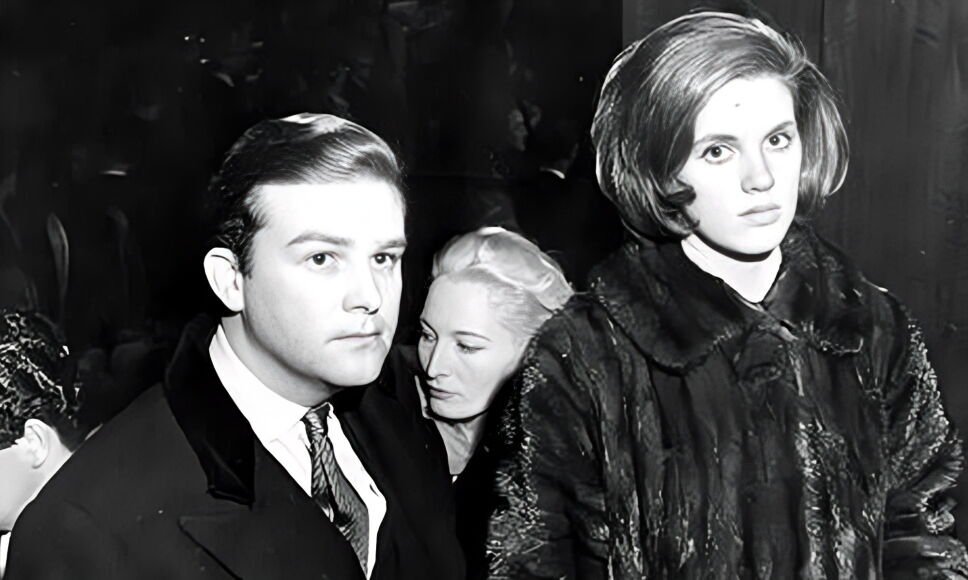
Elwes became notorious in January 1958, when he eloped with Tessa Kennedy. She was 19, while he was 26. They married first in Havana on 27 January. They married again in New York on 1 April. The double ceremony produced an international sensation. The age gap intensified the newspaper spectacle. Upon returning to England, he endured two weeks in Brixton Prison.
Tabloid fascination followed every detail of the affair. The story joined aristocratic romance, youthful audacity, and public disapproval. It also fixed Dominic Elwes in cultural memory. Many later accounts still begin with that flamboyant episode. Yet the scandal obscures a substantial creative career. For a brief moment, the couple dominated popular conversation. Their story mixed romance with rebellion, and Britain watched avidly.
Journalism Publishing and Satire
By 1960, he was assistant editor of Lilliput Magazine. In 1963, he co founded Design Yearbook. In 1964, he co authored Refer to Drawer. The book sharpened his reputation for satirical intelligence. His editorial work revealed quick judgement and elegant mischief. He understood style as both commerce and theater. His taste favored brisk wit and visual precision. That sensibility suited midcentury print culture. He could shape a page as deftly as a face.
Publishing suited his polished instincts, but painting became his enduring language. He moved toward portraiture with deliberate, almost aristocratic poise. His subjects often belonged to the Clermont Set. That circle prized glamour, hedonism, and exacting self presentation. The Clermont Set valued performance, secrecy, and glittering excess. Elwes knew how to render those qualities without vulgarity. He translated their surfaces into vivid likenesses.
Portraits Society and Design
He painted influential figures, including the 7th Earl of Lucan. Those portraits balanced acuity with social insinuation. They also captured an era of polished decadence. In 1970, he completed a Mediterranean style apartment complex in Andalucia. The project broadened his portfolio beyond canvas and page. It also confirmed his confidence with spatial design. His Andalucian work suggested a broadened aesthetic range. He was not confined to easel or newsroom. He could imagine atmosphere as well as likeness.
In 1975, he co owned the Figurehead hair salon in Knightsbridge. The interior displayed canvases by his father, Simon Elwes. That arrangement reflected family continuity and decorative exuberance. The salon embodied his eye for staging and ambience. It also illustrated his comfort inside cultivated commercial ventures. Such ventures required social tact and visual discipline. Elwes possessed both qualities in noticeable measure. He treated interiors as carefully as portraits. Each setting became a stage for identity.
Family Legacy and Public Echoes
His marriage to Tessa Kennedy produced a notable artistic family. Tessa Kennedy herself became influential in interior design. Her career added a complementary strand to the family myth. Their children were Cassian Elwes, Damian Elwes, and Cary Elwes. Each pursued public work with distinct emphasis. Cassian became a film producer. Damian became an artist known for studio recreations. Cary became an actor with broad international recognition.
The wider family also included Dillon Kastner and the late Milica Kastner. Both extended the household’s cinematic inclination. Milica died in 2021 after battling cancer. Their lives showed how creative instinct ran through the family. Cassian later produced films such as Dallas Buyers Club, Mudbound, and The Butler. Damian exhibited widely and focused on artists’ studio interiors. Cary gained enduring fame through The Princess Bride and Saw. The family remained conspicuously public, long after Dominic’s death.
Selected Milestones
A brief timeline clarifies the sequence of his life.
| Date | Milestone |
|---|---|
| 24 August 1931 | Born at Billing Hall in Northamptonshire |
| 27 January 1958 | Married Tessa Kennedy in Havana |
| 1 April 1958 | Married Tessa Kennedy again in New York |
| 1960 to 1964 | Worked in editing and publishing |
| 1970 | Completed an Andalucian apartment project |
| 5 September 1975 | Died in England and was later buried in Amberley |
The pattern shows early privilege, midlife volatility, and late professional breadth.
Later Years and Legacy
Elwes died on 5 September 1975, aged 44. He was buried at Amberley in West Sussex. His death cut short a career still unfolding. Yet his name remained active through his children. The family stayed embedded in film, art, and performance. Decades later, that lineage still attracts attention. Cary faced the 2025 Palisades Fire in Malibu. He evacuated safely with his family. Cassian continued shaping independent filmmaking. Damian secured further gallery representation in Asia. The Elwes dynasty retained momentum long after Dominic’s death.
His life also illustrates how social status can magnify talent. It can also intensify scrutiny. Elwes handled both with flair, nerve, and unmistakable style. He moved from magazines to salons and from portraits to architecture. His work suggests a restless, composed sensibility. He left behind images, stories, and a formidable family aura.
Key Takeaways
Dominic Elwes remains a study in contradiction and polish. He was public, private, elegant, and unruly. His 1958 elopement made headlines, but his art gave his name durability. His editorial work, portraits, and design projects revealed real versatility. He belonged to a lineage that kept producing creative descendants.
The Elwes family broadened his legacy across cinema, painting, and interiors. Cassian, Damian, and Cary each forged visible careers. Tessa Kennedy also established her own renown in design. Together, they transformed one dramatic life into a lasting cultural current.