Introduction
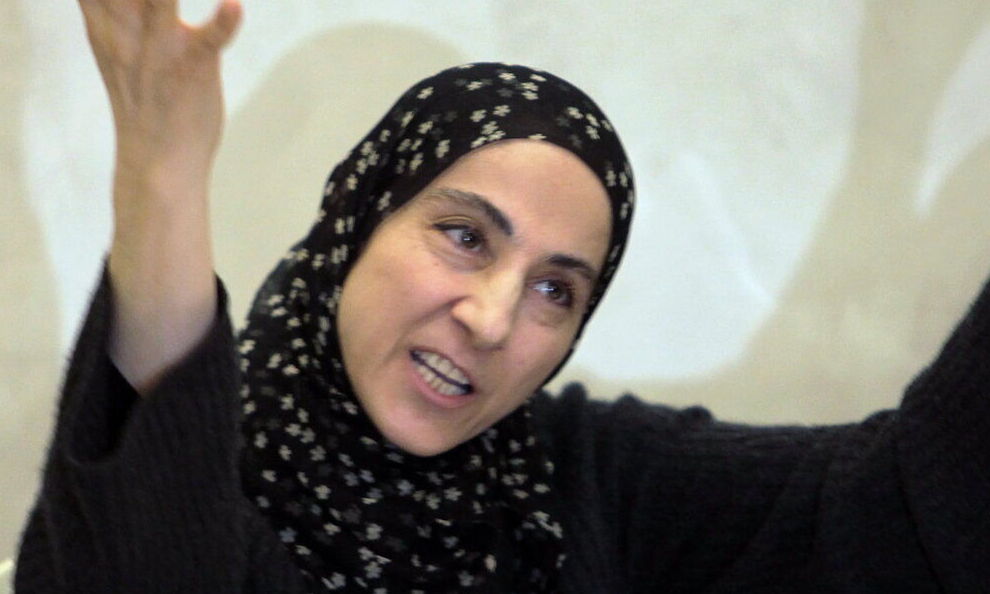
Zubeidat Tsarnaeva occupies an uneasy place in American public memory. Her name became widely known after the 2013 Boston Marathon bombing, yet her life began far from Massachusetts. Born in 1961 in Dagestan, she grew up inside a rugged North Caucasian milieu shaped by Soviet rule, ethnic tradition, and social austerity. Her later years in the United States exposed a very different landscape of migration, domestic strain, and public suspicion.
Her story is inseparable from the Tsarnaev family’s wider trajectory. She married Anzor Tsarnaev in 1986 and raised four children over the next decade. Those children would later become central figures in one of the most searing criminal cases in recent American history. To understand Zubeidat, one must examine not only the bombing itself, but also the familial, religious, and legal pressures that surrounded her for years.
Early Life and Dagestani Roots
Dagestan in 1961 was a republic inside the Soviet Union, and it was not a tranquil place of easy advancement. Zubeidat was born into an Avar family, one of the region’s prominent ethnic groups. The terrain, culture, and social codes of Dagestan shaped generations with unusual force. Her upbringing likely reflected a blend of collective discipline, local custom, and the lingering authority of Soviet institutions.
By the time she reached adulthood, she had entered marriage with Anzor Tsarnaev in 1986. She was 25 years old. Over the following years, the couple had four children between 1983 and 1994. Their family structure was large, crowded, and increasingly exposed to historical change.
Immigration to Massachusetts
The family moved to Cambridge, Massachusetts, in 2002. Zubeidat was 41 years old at the time. Anzor was 42. Their children arrived at different stages of childhood and adolescence, which made the transition more intricate. Tamerlan was already 16, while Dzhokhar was still only 9.
The move placed the family into a dense American urban environment with little margin for error. They reportedly lived under financial strain and depended on public assistance. Zubeidat sought work and eventually earned an aesthetics license. From 2004 to 2008, she worked part-time in salons, trying to establish some economic stability in a new country.
Domestic Friction and Religious Turn
Religious change became one of the most consequential forces inside the household. By 2005, Zubeidat had adopted a full-time hijab and began attending mosques daily. She moved toward more visible observance, while Anzor preferred a more restrained public religious life. He remained Muslim, but favored secular integration and limited overt displays.
This divergence deepened over time. By 2009, disagreements over education, mosque attendance, and political interpretation had become documented points of tension. Events such as 9/11 and broader world conflicts intensified the family’s arguments. The marriage eventually dissolved in 2011 after 25 years.
Family Structure and Key Dates
| Year | Event | Zubeidat’s Age | Anzor’s Age |
|---|---|---|---|
| 2002 | Arrival in Cambridge | 41 | 42 |
| 2005 | Increased religious observance | 44 | 45 |
| 2009 | Repeated domestic disagreements | 48 | 49 |
| 2011 | Divorce finalized | 50 | 51 |
This sequence matters because it shows escalation rather than sudden rupture. Zubeidat’s life was not defined by one event alone. It was shaped by repeated collisions between inherited tradition, immigrant adaptation, and family conflict. Those collisions formed the background against which later accusations would land.
Her Children and the Bombing
The most notorious chapter in this family history emerged in April 2013. On April 15, two bombs detonated near the Boston Marathon finish line at 2:49 p.m. EDT. Three people were killed and 264 were injured. The attack triggered a massive manhunt and immediate national alarm.
Tamerlan Tsarnaev and Dzhokhar Tsarnaev were identified later that evening. The brother’s ages underscored the tragedy’s generational scale. Tamerlan was 26 and Dzhokhar was 20. The ensuing four-day pursuit ended on April 19, when Tamerlan died and Dzhokhar was captured.
| Child | Birth Year | Age in 2002 | Age in 2013 | Fate |
|---|---|---|---|---|
| Tamerlan Tsarnaev | 1986 | 16 | 26 | Died April 19, 2013 |
| Dzhokhar Tsarnaev | 1993 | 9 | 20 | Life sentence in federal prison |
Zubeidat publicly insisted that her sons were innocent. She described them as manipulated and trapped by outside forces. She rejected the evidentiary record presented by prosecutors and investigators. That public posture made her a lightning rod for criticism, especially because the case had already generated enormous grief and outrage.
Public Reaction and Extended Family
The wider Tsarnaev family did not speak with one voice. Ruslan Tsarni, the boys’ uncle, condemned the bombing in forceful terms. He urged surrender and rejected conspiracy claims. His statements contrasted sharply with Zubeidat’s defense of her sons. That split revealed not just disagreement, but a deeper fracture in how relatives interpreted responsibility.
Some extended kin responded with distance and caution. Avar elders reportedly urged dialogue and reconciliation. Other relatives withdrew into privacy or relocated abroad. The family response was fragmented, shaped by grief, shame, fear, and conflicting moral instincts.
| Relative | Relationship | Public Position |
|---|---|---|
| Ruslan Tsarni | Brother in law | Condemned the attack |
| Anzor Tsarnaev Jr. | Other son | Maintained a private life |
| Avar clan elders | Extended kin | Favored dialogue |
Legal Trouble and Departure
Zubeidat’s own legal difficulties added another layer of scrutiny. In August 2012, she was arrested for shoplifting items worth roughly $150 from a department store. She later failed to appear in court, which produced a misdemeanor warrant. That incident remained comparatively minor in legal terms, yet it later took on amplified significance.
After the bombing, her name drew increased federal attention. She was not charged in connection with the attack itself, but she became part of broader inquiry and public speculation. By late 2013, she had left the United States and returned to Dagestan. The move aligned with severe public pressure and legal unease. She has remained in Dagestan since then.
Timeline of Major Events
| Date | Event |
|---|---|
| 1961 | Birth in Dagestan |
| 1986 | Marriage to Anzor Tsarnaev |
| 1986 to 1994 | Birth of four children |
| 2002 | Immigration to Cambridge |
| 2005 | Full hijab and daily mosque attendance |
| 2011 | Divorce finalized |
| August 2012 | Shoplifting arrest |
| April 15, 2013 | Boston Marathon bombing |
| April 19, 2013 | Tamerlan dies, Dzhokhar captured |
| Late 2013 | Departure from the United States |
| 2015 | Dzhokhar sentenced to life imprisonment |
This timeline clarifies the compressed sequence of private and public crises. The family’s domestic transformation preceded the bombing by years. Legal trouble preceded the attack as well. Her departure from the United States came only after the case had already become globally notorious.
Personal Image and Controversy
Zubeidat Tsarnaeva’s public image is difficult to separate from the crimes associated with her sons. She appears in the record as a mother, immigrant, worker, divorcee, and accused enabler by some observers. Others viewed her as a distressed parent whose statements emerged from shock and familial loyalty. Those interpretations remain incompatible.
Her life in Massachusetts was shaped by modest employment, domestic dislocation, and ideological conflict. Her return to Dagestan closed one chapter without resolving the larger questions surrounding her family. She continues to be remembered less as an individual than as a symbolic figure inside a much larger tragedy.
Key Takeaways
Zubeidat Tsarnaeva was born in 1961 in Dagestan and later immigrated to Cambridge in 2002. She married Anzor Tsarnaev in 1986 and raised four children. Her family life was marked by religious divergence, economic strain, and eventual divorce in 2011. Her sons Tamerlan and Dzhokhar became central figures in the 2013 Boston Marathon bombing. Zubeidat defended them publicly and rejected their guilt. After a 2012 shoplifting arrest and the bombing investigation, she left the United States in late 2013. She has lived in Dagestan since then.